
 Reviews



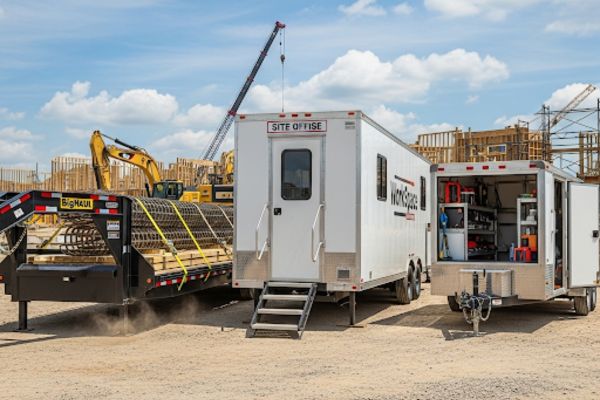
In construction, every tool counts—and trailers are no exception. The best trailers for construction are those that match your project needs, site conditions, and budget. Choosing the right construction trailer type can boost safety, reduce hassle, and speed up delivery times.
In this guide, we’ll explore the best trailers for construction, showing how each one fits specific tasks, from hauling debris to securing expensive tools. Whether you’re ordering materials, managing crews, or tackling rough terrain, picking the right trailer can make or break your day.
Think of this as your go-to trailer axle guide—but focused on trailer types, jobs, and real-world value. Let’s dig into the first three heavy hitters.
1. Dump Trailers for Construction
If your job includes digging, grading, or clearing debris, you need a dump trailer for construction. These workhorses feature hydraulics that tilt the bed, letting gravity do the work. No more shovels or wheelbarrows—just back up and unload.
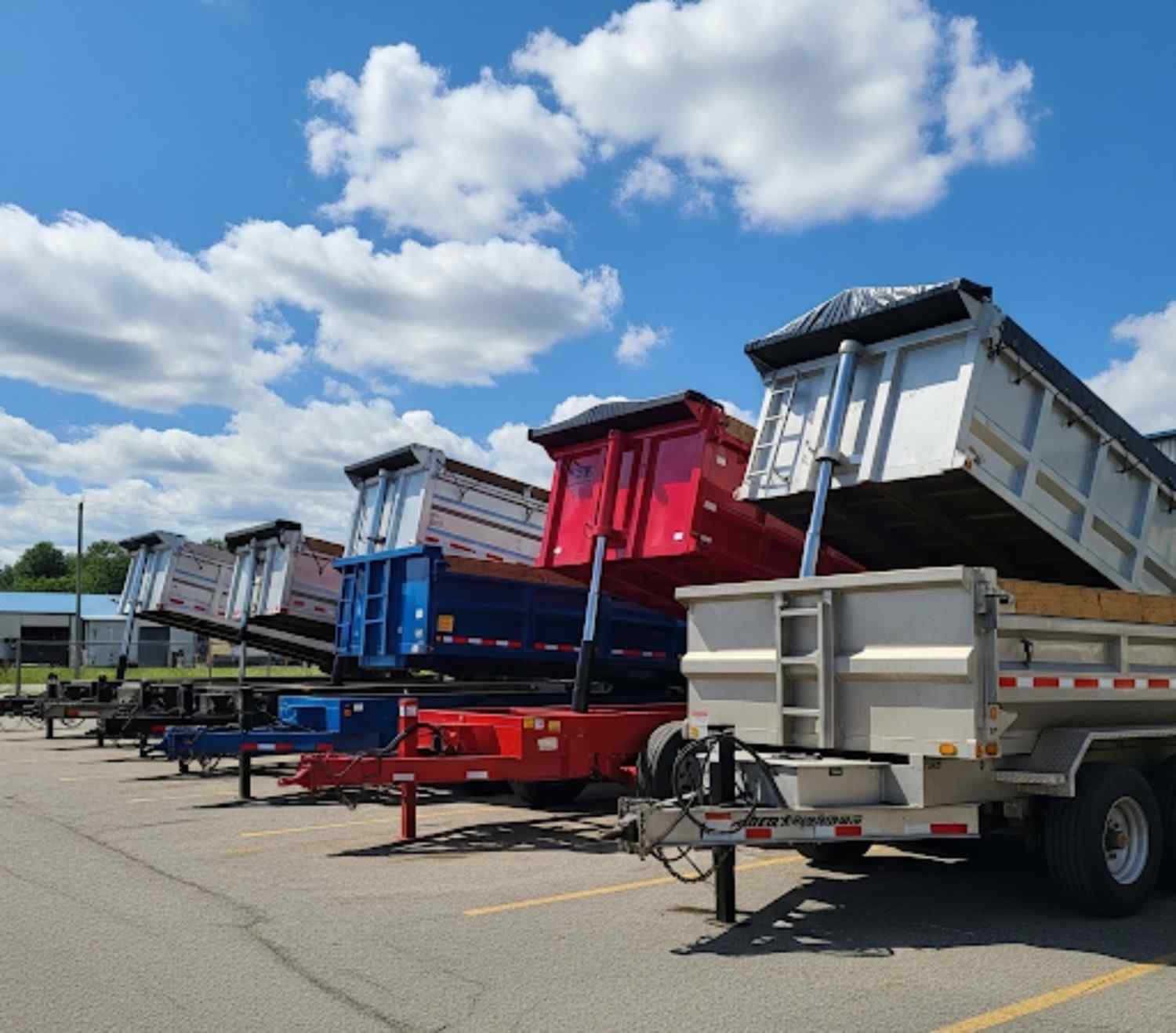
Why they top the list?
- Ideal for bulk materials like gravel, sand, dirt, or demolition waste.
- Save time and reduce labor costs with fast, easy dumping.
- Common in every construction toolkit—from groundwork to final cleanup.
Learn more about dump trailers from RMZ Trailer in Essential Checklist for Buying a Dump Trailer guide.
Whether you choose a bumper-pull or heavy-duty tandem model, a quality dump trailer for construction is often your project’s MVP.
2. Flatbed Trailers for Job Sites
Need a trailer that hauls everything from lumber to heavy machinery? A flatbed trailer for job sites is your go-to.
These open-deck trailers are the most flexible in construction. With no walls or roof, they’re perfect for large materials like steel beams, concrete blocks, ladders, or equipment making it one of the best trailers for constructions You can load from the sides or use forklifts and cranes.
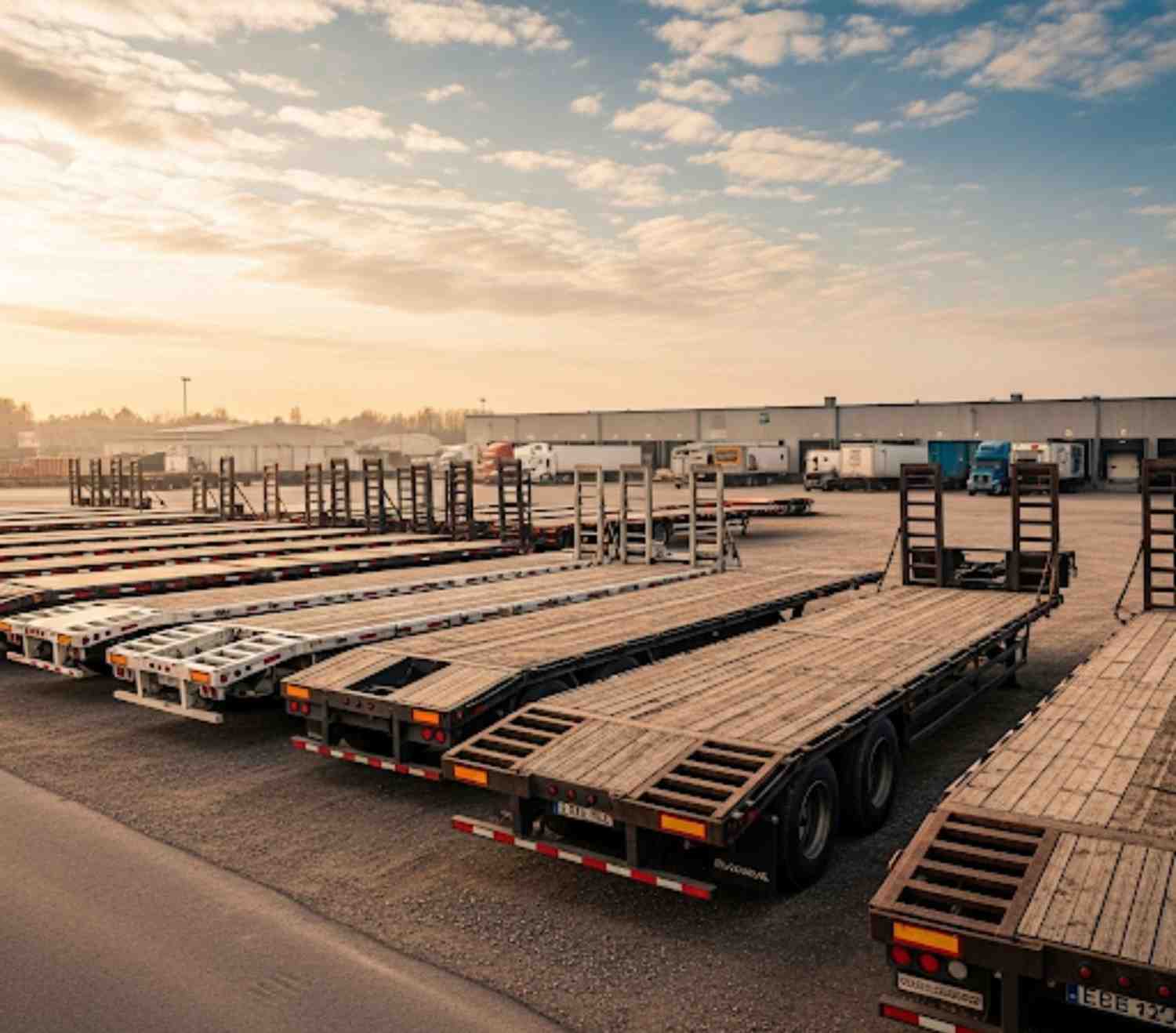
Why they work so well?
- Handle odd-sized or bulky items other trailers can’t.
- Easy to secure loads with straps, chains, or binders.
- A staple among trailers used in construction for their sheer adaptability.
3. Utility Trailers
When you’re shopping for the best trailers for construction, utility trailers offer big value at a lower cost. With open sides and a simple frame, these trailers are affordable and easy to maintain—a smart pick for small jobs and tight budgets.
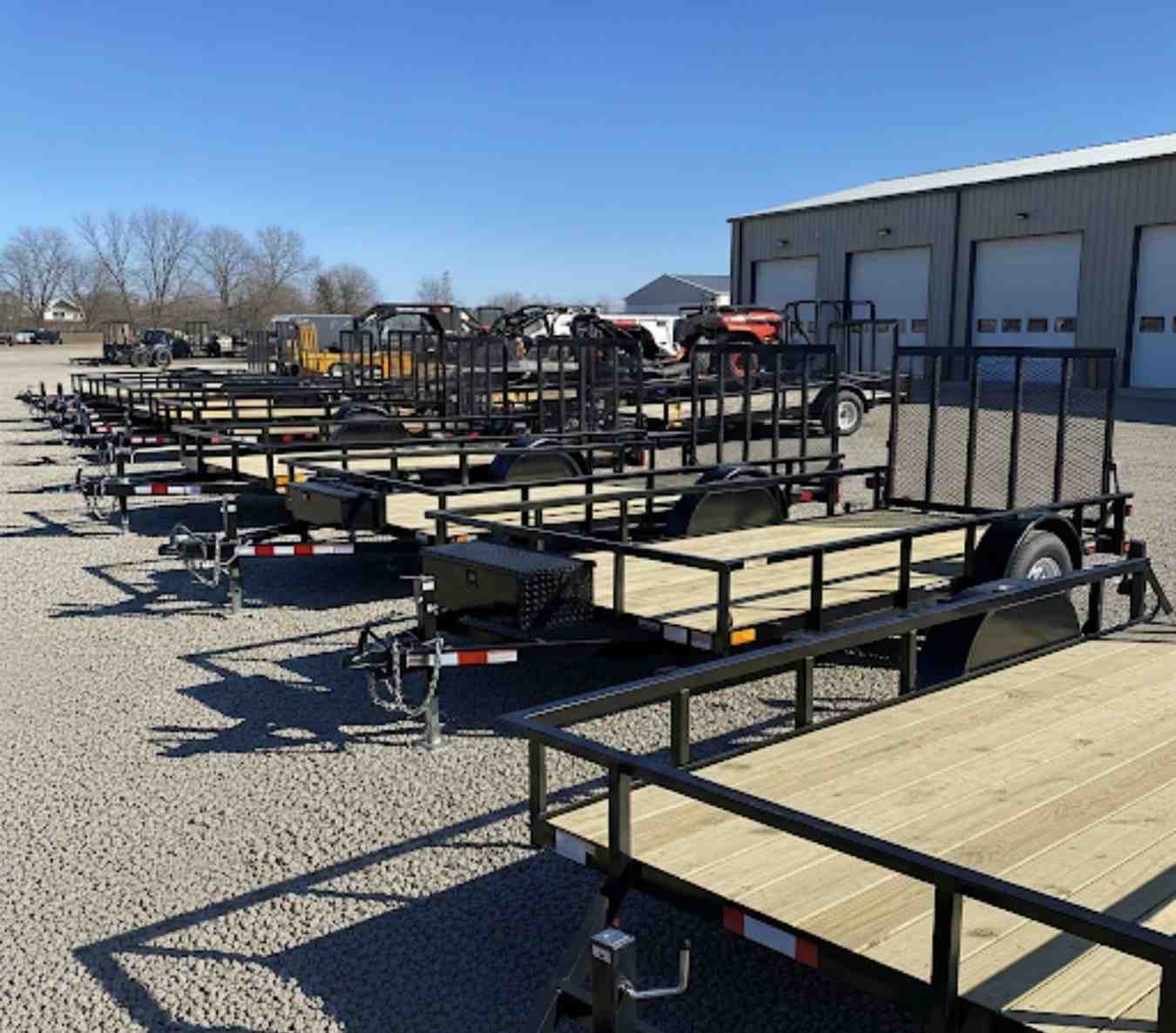
Why utility trailers work?
- Lightweight and cost-effective for small-scale hauling
- Great for tools, small machinery, lumber, and general debris
- Easy to load by hand, with low gates for quick access
If you’re a one-person crew, DIYer, or handling quick drop-off jobs, the simplicity and efficiency of a utility trailer make it a top choice among construction trailer types.
4. Tilt Trailers
Next up in your fleet should be tilt trailers, among the smartest trailers used in construction when moving heavy equipment. The entire deck tilts for roll-on loading—no ramps, no lifting.
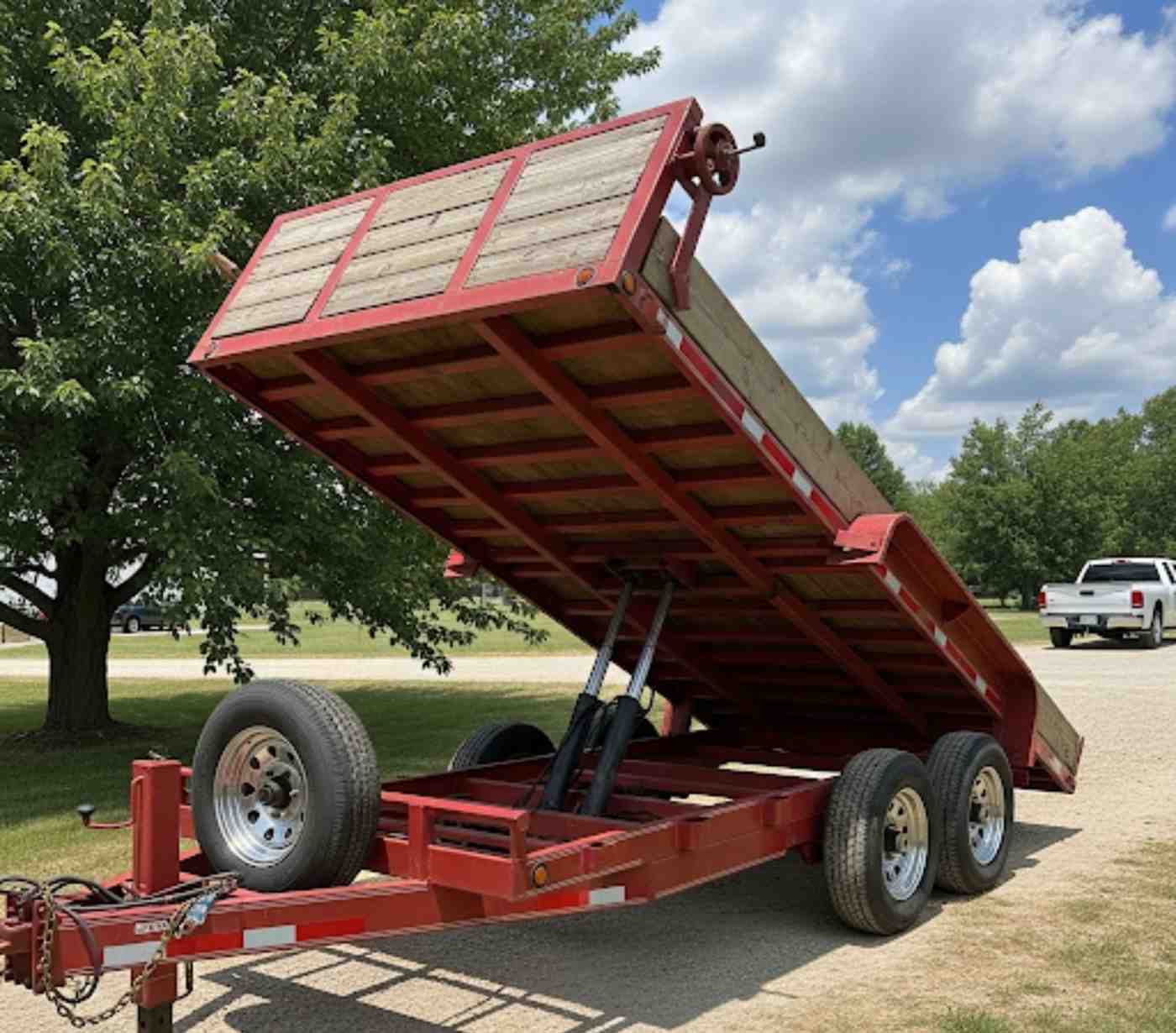
What tilt trailers bring to the site?
- Ideal for heavy equipment like skid steers or mini-excavators
- Safer and faster than ramp-loading alternatives
- Saves setup time and space, especially in tight yards
5. Enclosed Cargo Trailers
If you haul tools, materials, or electronics, an enclosed cargo trailer is essential. It’s one of the most secure construction trailer types, keeping your gear safe from theft, weather, and dust.
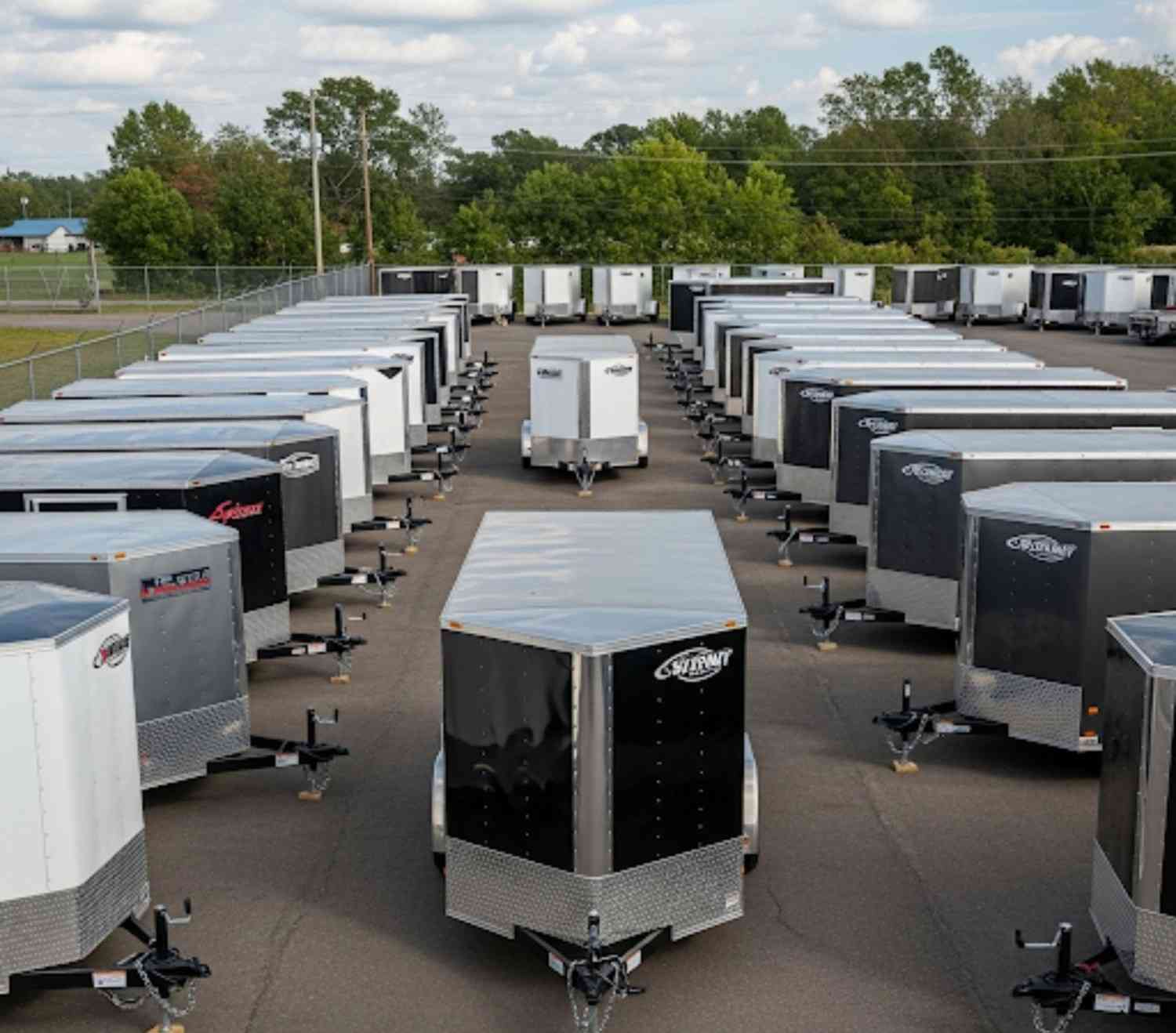
Why this trailer shines?
- Locks down tools and materials for overnight site stays
- Keeps electronics and finishes dry from rain or dust
- Provides organized space for shelving and tool storage
Choosing the Right Trailer Based on Your Project
By now, you’ve met the top trailers used in construction—dump, flatbed, utility, tilt, and enclosed models. But what’s next? Matching them to the specifics of your project.
Quick decision guide:
- Need bulk dumping? Choose a dump trailer
- Hauling big materials or machinery? Go flatbed or tilt
- Transporting tools or fragile gear? Use an enclosed trailer
- Want a low-cost, flexible option? Pick a utility trailer
Pro tip: If budget allows, cover your project with at least two types—say, a dump trailer plus an enclosed one—to improve efficiency and safety on site.
Specialty Trailers: For the Niche Jobs That Demand More
While the best trailers for construction often include dump or flatbed models, certain job sites call for something more specific. That’s where specialty trailers come into play.
These are trailers built with unique configurations for industries like roofing, landscaping, or heavy machinery repair. Whether it’s a gooseneck trailer for exceptional stability or a trailer with built-in generators and toolboxes, these designs solve specialized challenges you may not have thought about.
Why choose a specialty trailer?
- Perfect for jobs that demand a mobile workspace or power source
- Includes built-in ramps, extra-strong axles, or job-specific compartments
- A great investment for long-term or large-scale construction businesses
If your crew deals with complex projects or unique cargo, investing in a specialty trailer will save time, prevent equipment damage, and boost productivity.
Regulations, Safety & Long-Term Investment Planning
No matter how tough or shiny your trailer is, it must meet local and federal regulations. When deciding on the trailers used in construction, it’s vital to consider DOT compliance, brake systems, lighting, and load-bearing requirements.
Also, think long-term. Are you purchasing the right trailer for the next five years—or just this season? A low-cost utility trailer might work today, but a dump trailer for construction could pay off tenfold over time.
Pro tips for investment and compliance:
- Check your local laws for GVWR (Gross Vehicle Weight Rating) limits
- Choose trailers with durable construction, like powder-coated steel or reinforced aluminum
Always prioritize trailers that come with solid warranties and safety features
Conclusion
When it comes to selecting the best trailers for construction, the decision isn’t just about price—it’s about purpose. Whether you’re moving heavy debris with a dump trailer for construction, hauling long beams with a flatbed trailer for job sites, or keeping expensive tools secure in an enclosed model, your trailer is a core part of the operation.
Here’s a quick recap of what we covered:
| Trailer Type | Best Use Case | Key Benefits |
|---|---|---|
| Dump Trailer | Debris, gravel, dirt hauling | Easy unloading, durable frame |
| Flatbed Trailer | Long and oversized materials | Open space, no walls or roof to limit size |
| Utility Trailer | Tools, smaller jobs, general hauling | Cost-effective, lightweight, flexible |
Tilt Trailer | Machinery or equipment loading | No ramps needed, time-saving |
| Enclosed Cargo Trailer | Tools, electronics, sensitive materials | Secure and weatherproof |
| Specialty Trailer | Niche needs (roofing, landscaping, etc.) | Customized features, job-specific functionality |
Still not sure which one’s right for your job site? Don’t worry at RMZ Trailers we are here to support you with every trailer needs. All you need to do is get in touch with us and visit of place to see our wide range of trailer collections.
Contact us today for any construction trailer need!
Frequently Asked Questions
1. What type of trailer is best for general construction work?
If you’re looking for a versatile trailer that fits most construction needs, a dump trailer or flatbed trailer is a great place to start. Dump trailers handle materials like gravel and debris, while flatbeds are ideal for transporting large equipment and building supplies.
2. Are utility trailers strong enough for construction use?
Yes, utility trailers are great for light to mid-duty tasks like transporting tools, small equipment, or lumber. However, they may not be suitable for heavy-duty hauling or large-scale debris removal.
3. How do tilt trailers differ from flatbed trailers?
Tilt trailers have a bed that angles for easy roll-on loading, making them ideal for heavy machinery like skid steers. In contrast, flatbeds offer a wide-open deck but typically require ramps or lifts for loading.
4. When should I invest in an enclosed cargo trailer for construction?
Enclosed trailers are essential if you need tool security, weather protection, or organized storage. They’re perfect for trades that rely on high-value tools, electronics, or delicate materials.
5. What should I consider when choosing a trailer for long-term use?
For long-term use, prioritize trailers with:
a. High-quality materials (e.g., powder-coated steel)
b. Safety features (brakes, lights, locks)
c. Warranty support.
d. Compliance with DOT and local regulations
Also, consider future needs—investing in a more durable or specialized trailer now can save you time and money later.
About Author:

Leave a Reply